

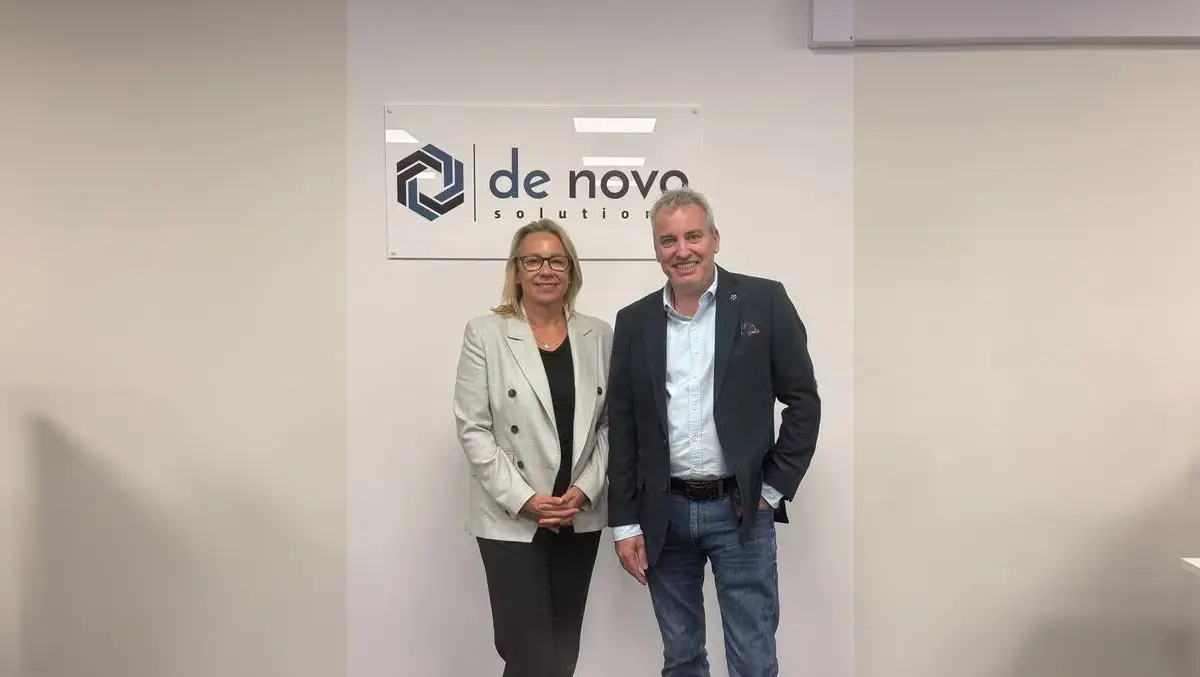
de Novo appoints Lynette Slater as Chief Executive
Thu, 17th Sep 2026.webp)
de Novo has appointed Lynette Slater as Chief Executive, marking a leadership change at the Welsh digital transformation company.
Slater succeeds Founder Mark Sweeny, who becomes Executive Chairman. She will work with a strengthened senior leadership team as de Novo continues to expand.
Based in Newport, de Novo was launched in 2021 and has grown to about 150 employees, with a further office in Chennai. The business works with clients across central and local government, policing, education and the private sector, focusing on HR, payroll, finance and procurement systems using Oracle Cloud and ServiceNow.
Slater brings more than 30 years of experience across insurance, financial services and software. Her background includes leading multi-million-pound change portfolios and building a professional services function.
The appointment is part of a broader reshaping of the leadership structure. Tracy Stephenson has become Chief Financial Officer, Alex Alexandru has been promoted from VP Finance Experiences to Chief Operating Officer for Consulting, and Helen Crisostomo has moved from VP Business Development to Chief Commercial Officer.
All three will also serve as Board Advisors. Tara Dewar will become Chief Operating Officer for BPO and Support Services, while Chief People Officer Charlene Young will take on responsibility for IT and compliance.
Leadership changes
Sweeny will now focus on board-level responsibilities after founding the company and overseeing its early growth. de Novo has appeared in several UK growth rankings, including the Sunday Times 100, the FT1000 and Deloitte Technology UK Fast 50.
Its client base has given it a strong presence in public sector technology projects, particularly in government, policing and multi-academy trusts. Slater will focus on investment in skills and tools, working practices and progression opportunities for staff.
She will also lead ongoing work with clients using digital transformation and artificial intelligence in operational functions across public and private sector organisations.
Reflecting on the appointment, Slater said: "I am delighted to be joining de Novo, and proud to have the opportunity to lead a company with such strong foundations. What has made de Novo successful is the expertise and commitment of its people. Together, we can build on what is already working and take the business into its next stage with confidence.
"We will build on the foundations created by Mark, the senior leadership team, and every person across de Novo, ensuring strong support for our teams, clear ways of working, and consistently better outcomes for clients. I am looking forward to getting to know the team, our clients, and our strategic partners over the coming weeks, and helping elevate de Novo to the next level of success."
The leadership changes are intended to support de Novo's next phase of growth across its consulting and support services operations. Slater will work alongside the newly appointed executives as the company develops its organisational structure. The expanded leadership team will oversee areas including finance, consulting, commercial operations, BPO, support services, people, IT and compliance. The changes also give Sweeny a continued role in the business through his position as Executive Chairman.
de Novo's work with Oracle Cloud and ServiceNow remains central to its services for organisations undergoing changes to their HR, payroll, finance and procurement functions. Its public sector work spans government, policing, education and multi-academy trusts, alongside clients in the private sector. The company's office in Chennai also supports its wider delivery capabilities.
Slater's experience across insurance, financial services and software is expected to inform her approach to managing the company's continued expansion. Her focus will include developing employee skills, improving working practices and creating opportunities for career progression. The company will also continue supporting clients as they assess the use of artificial intelligence within operational functions.