Editor interview stories
Axis research finds 51% of UK utilities leaders expect security technology's greatest future value to come from analytics and efficiency.
Local hosting should ease sovereignty concerns for Australian government and critical infrastructure customers, while also improving resilience across APAC.
State-backed hackers can still exploit metadata and identities even when messages are encrypted, putting critical operators at greater risk.
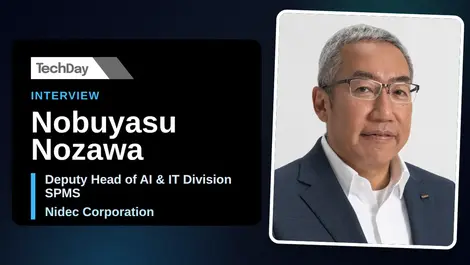
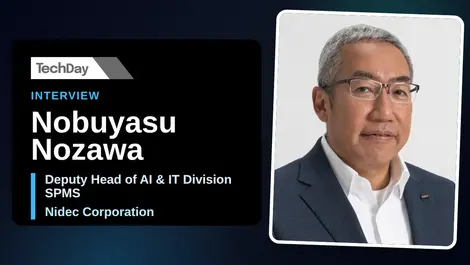
Rising AI power density is pushing data centre operators towards higher-capacity liquid cooling, reshaping who suppliers like Nidec sell to.
Procurement teams may need months of data cleansing and rule-setting before AI spend starts to deliver returns, BeNeering's CEO said.
The Melbourne-based firm is prioritising secure, data-driven tools as customers weigh productivity gains against the risks of exposing sensitive information.
Avoid the sunk cost fallacy when new technology renders a business model obsolete. There's lessons in Zetifi's pivot driven by first principles: find a problem worth solving.
Enterprises are finding thousands of unmanaged AI-linked identities, raising the risk of agents accessing systems and data without proper oversight.
Poorly trained staff are wasting time and risking sensitive data as organisations rush to adopt AI without basic governance in place.
Customers could soon use ChatGPT, Gemini or Claude inside Adobe's creative apps, with some file-editing tools due in a private beta in early 2027.
Cloud native teams are adopting AI fastest, but human review still dominates as cost, privacy and security concerns slow full autonomy.
Creative Cloud users may soon let outside AI agents drive Adobe apps for tasks such as rotoscoping and image hole filling, starting on desktop.
Businesses face faster AI-driven attacks as the networking giant folds security, observability and management into one platform.
Adobe is accelerating AI dealmaking as it pushes its models into rival platforms and brings outside systems into its own apps.
The new platform charges only when AI resolves an issue, pushing support teams to measure success by customer outcomes rather than ticket counts.
Educators warned that AI could widen bias and privacy risks unless schools back it with stronger governance, teacher oversight and evidence.
Hotels are being pushed to target softer demand more precisely, as AI tools help marketers link campaigns to incremental revenue rather than clicks.
Growing demand for AI cooling is drawing operators and cloud providers to Nidec, which used its Singapore debut to open partnership talks.
Payroll mistakes can trigger wage theft claims, personal liability and reputational damage for Australian SMBs, even after honest errors.
OS Bondi 3.0 to cut due diligence time and give deal teams faster risk flags, while keeping sensitive transaction data within a governed secure environment.