Energy consumption stories
A £10m government fund is backing smarter systems to curb peak demand and help EV charging work off grid as networks come under strain.
Most UK businesses are feeling climate hits to sales, but only 5% have fully measured the financial damage, Capgemini says.
Trust in data centres is slipping as more Britons worry about their power use and environmental impact, a Telehouse survey found.
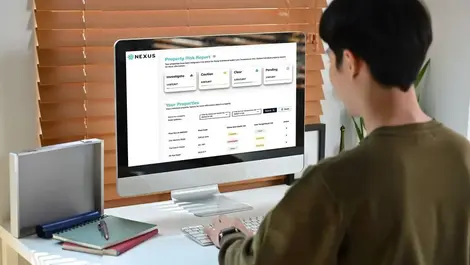
Housing providers could trim maintenance bills and spot damp risks earlier as Chameleon's Nexus links live data on buildings and assets.
It aims to ease skills shortages by giving pupils aged eight to 16 direct contact with data centre workers in classrooms.
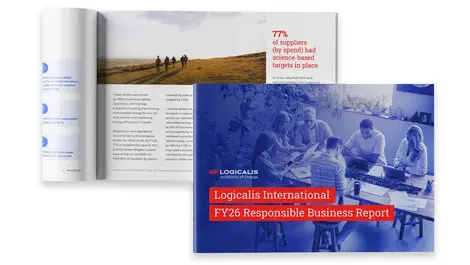
Scope 1 and 2 emissions fell 34% from Logicalis's FY22 baseline, while renewable electricity use rose and supplier climate pledges advanced.
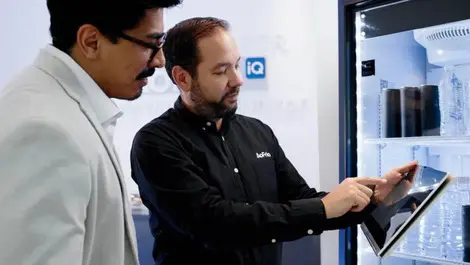
The new tool lets beverage brands question cooler fleets in plain language, drawing on data from more than 3.7 million connected units.
Hiring is tightening in Australia's east coast states as a AUD $150 billion data centre build-out lifts demand for trades and technical staff.
By 2027, AI expansion is set to drive up power and water costs, while forcing tougher rules on data centre building and funding.
Most firms are underprepared for AI as storage demands rise, with data quality and infrastructure now overtaking compute as the main bottlenecks.
Rising data demand is driving emissions higher in parts of Asia Pacific, as mobile operators struggle to secure cleaner electricity.
Warning signs are mounting around AI spending, with one expert saying the likely fallout is a correction that leaves little enduring value.
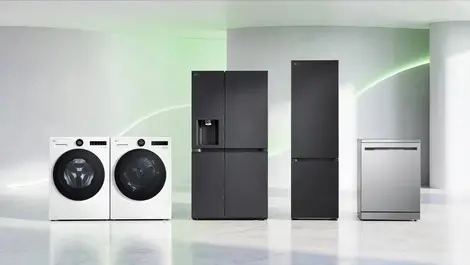
Lower electricity bills and stronger energy labels are now reaching more households as LG pushes A-grade efficiency into mainstream appliances.
Electricity alone will not slash emissions from commercial buildings unless HVAC systems are continuously optimised after installation.
Australia's AI rules may decide whether businesses gain protection without extra red tape that slows deployment and pushes investment offshore.
Australian households facing higher power bills will be able to buy TCL's new range from AUD $959, with offline voice control and AI energy management.
Students and staff will gain free access as the university pairs the rollout with AUD $1 million for research into AI's environmental impact.
Demand for compact air treatment in Singapore has prompted LG to add a wall-hugging purifier suited to smaller urban homes.
Australian developers gain a local option for Apple app AI as SCX.ai says its hosted models can keep data residency under control.
Local councils will get a national baseline as Ottawa seeks to curb power bills, water use and hidden impacts from new data centres.