Thermal Management stories
Older facilities may struggle as hotter summers, floods and grid strain threaten UK data centre uptime for essential services.
Amateur astronomers get a portable all-in-one imager with 300-second exposures and built-in tracking, starting at GBP £1,299.
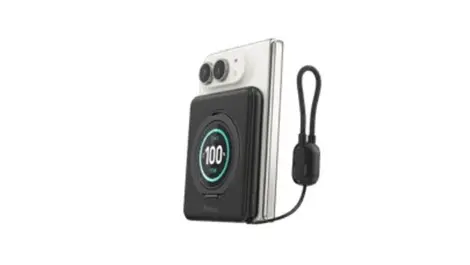
Foldable iPhone users can now charge and prop up the handset with a compact 5,000mAh magnetic pack aimed at the new form factor.
Bespoke chips are becoming central to vehicle performance and safety as automakers race to build software-defined cars.
The shift towards AI-ready liquid cooling is prompting Castrol to target new-build data centres and costly retrofits across Asia Pacific.
The chip aims to ease power and cooling constraints for operators seeking AI systems with tighter supply chain control and domestic manufacturing.
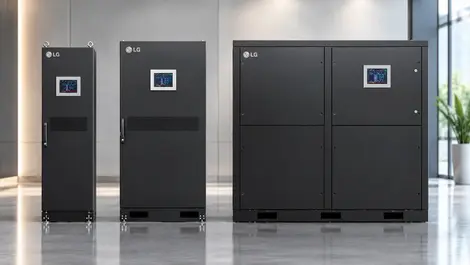
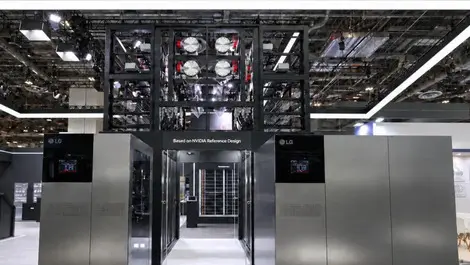
As AI racks draw more power, data centre operators are shifting to liquid cooling, and LG's latest unit now meets NVIDIA's reference design requirements.
Data centre operators can now mix air and liquid cooling in one unit as AI workloads push rack densities higher across facilities.
Local AI features could run faster, stay private and work offline as chipmakers push laptops with dedicated neural processors.
Neglecting fouled heat exchangers could cost data centres more than EUR 12,000 in two months, alongside 175 tonnes of CO2, the report says.
The top-end iPhone range gains AI features and a variable-aperture camera, as Apple targets better photos, battery life and performance.
Apple is entering the foldable market with a dual-screen handset that adds split-screen multitasking and starts at AUD $3,499.
Australian buyers will get Dell's new gaming displays and lightweight 14S laptop from October, though local pricing remains undisclosed.
Rising AI server densities are forcing Asia-Pacific data centre operators to rethink cooling as water use and power demand tighten.
Operators facing soaring heat and power demands from AI servers may gain faster, more integrated infrastructure from LG's new offering.
Demand for thermal management in dense AI sites is lifting the Korean group's cooling business, after its 2.6-megawatt unit cleared NVIDIA qualification.
The project aims to cut cooling-related power and water use as Singapore races to expand AI data centre capacity without overloading infrastructure.
The deal extends Vertiv's fluid management services into Europe, the Middle East and Africa as data centre cooling demands grow.
The deal gives Singapore chip firms early access to simulation tools aimed at cutting packaging risk and speeding AI and HPC development.
The new range aims to ease overheating concerns and stretch battery life as buyers demand slimmer chargers that can safely power phones and laptops.