

osapiens seals SAP & GreenDot partnerships in Mannheim
Fri, 19th Jun 2026
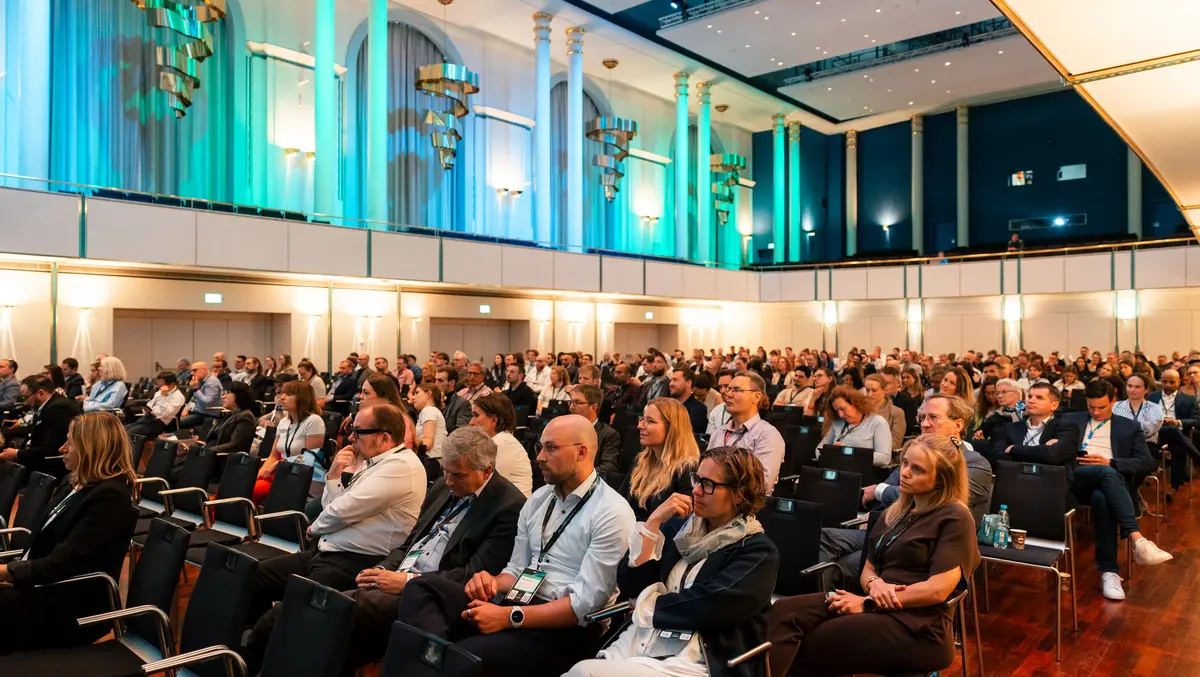
osapiens announced strategic partnerships with SAP and GreenDot at its Sustainability osapiens Summit 2026 in Mannheim, which brought together more than 2,000 business, policy and technology leaders.
The summit positioned sustainability as a business resilience issue rather than a stand-alone compliance task, with speakers focusing on supply chain disruption, tighter regulation and geopolitical risk.
One partnership centres on last-mile distribution. A certified integration with SAP brings route planning, driver management, proof of delivery and real-time tracking together on one platform.
According to osapiens, artificial intelligence analyses traffic, location and delivery-window data in real time to calculate routes and predict delays in the final stage of the supply chain.
The second agreement, with GreenDot, targets extended producer responsibility compliance under the EU's Packaging and Packaging Waste Regulation. The arrangement combines GreenDot's work in packaging licensing and producer responsibility schemes with the osapiens HUB.
Summit themes
The Mannheim event featured more than 150 speakers from business, politics and consulting. Topics included AI agents, product compliance, reporting, carbon management, traceability and supply chain resilience, with sessions covering healthcare, retail, utilities and automotive.
Former German vice-chancellor Robert Habeck delivered a keynote on resilience and sustainability during a period of global disruption. He framed sustainable business practices as part of a broader geopolitical effort to reduce long-term dependence on global powers.
Other speakers included Thomas Saueressig, chief customer officer and member of the executive board of SAP, and Henna Virkkunen, executive vice-president of the European Commission, who addressed Europe's competitiveness in a video message. Executives from Philips, Bosch, Coca-Cola North America, Iveco and Nordex also took part.
The event was held under the patronage of the United Nations Industrial Development Organisation. Partners and investors including KPMG, GS1 Germany, GreenDot, UNIDO and Decarbonization Partners also appeared on stage.
AI focus
Artificial intelligence is now embedded across the osapiens platform, which the company said includes more than 25 specialised AI agents. They are used in supply chain monitoring, risk assessment, evidence documentation and product compliance.
Over the past 12 months, platform activity included screening more than 19 million suppliers and delivering 212 product updates. osapiens said the figures reflected increased use of automated tools to manage regulatory and operational demands across supply chains.
"Companies today must understand where their products come from, what risks lie in their supply chains, and how they can meet regulatory requirements efficiently. With the help of AI, this knowledge becomes a real competitive advantage for the first time. This is exactly where the osapiens HUB comes in: it forms an intelligent control layer above existing ERP systems, enabling companies to make faster and better-informed decisions," said Alberto Zamora, co-founder and co-chief executive officer of osapiens.
Company growth
Founded in 2018, osapiens is based in Mannheim and has offices across Europe and the United States. It has more than 550 employees and serves more than 2,500 customers, from smaller businesses to large multinationals.
The company groups its software into transparency and efficiency tools. It says the products are used for financial and non-financial reporting, supply chain oversight, risk management, regulatory compliance, supplier collaboration, maintenance, service and distribution processes.
Mannheim featured heavily in the company's summit messaging, with osapiens linking its development to the city's industrial and software history. It sees its platform as part of a broader shift in which sustainability data, compliance processes and supply chain management are becoming more closely tied to day-to-day business decision-making.
More than 2,000 attendees gathered around that theme in Mannheim as companies face growing pressure to track suppliers, products and regulatory exposure in greater detail.