Industry 4.0 stories
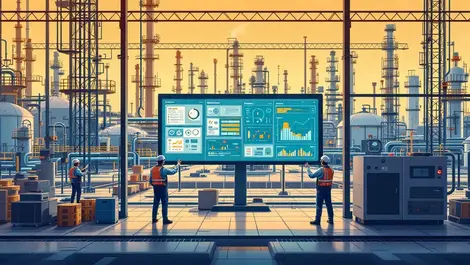
Plant operators could cut downtime and maintenance delays as Wipro, Aramco and SAP target shutdown planning with a single system.
The system could cut robot retraining from hours to minutes in factories where layouts and product lines change often.
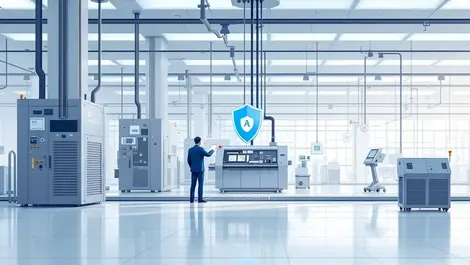
Most life sciences manufacturers now see digital transformation as essential, with 54% reporting a cyberattack in the past year and many eyeing AI.
Factories and warehouses could see safer robot interactions as the system reads human posture and movement in real time on embedded hardware.
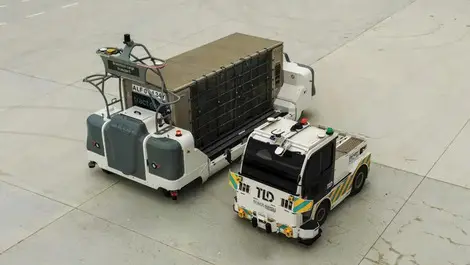
Airports and industrial sites stand to gain from the new brand, which brings autonomous towing and cargo-handling operations under one roof.
Workforce readiness is becoming the main obstacle as industrial firms in Asia Pacific race to use AI without losing vital site expertise.
Hardware teams facing telemetry overload can now automate investigations inside Sift, with findings stored for reuse and human approval required before changes.
Manufacturers could gain sharper checks on supplier price hikes as direct materials intelligence is folded into Jaggaer's procurement platform.
The move targets a USD $260 billion market as owners seek one partner to cut delays, overruns and accountability gaps on major projects.
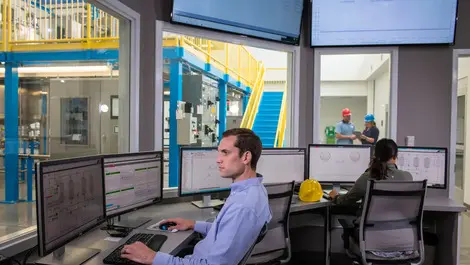
More than a third of industrial decision-makers now see cyber risk as a top barrier to growth, a Rockwell survey found.
Critical infrastructure operators gain broader visibility across devices, firmware and cloud systems as Dragos folds two specialist tools into its platform.
Industrial control systems could be patched faster as Rockwell tests controlled access to Claude Mythos 5 to spot flaws before attackers exploit them.
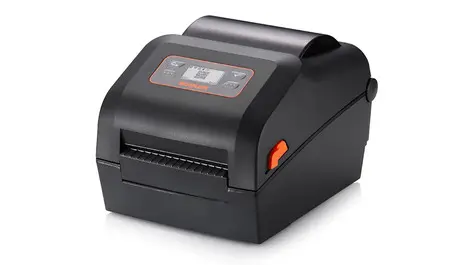
More than 100 printers are now supporting parcel traceability across Isitec customers' logistics sites, after a rollout designed to cut manual steps.
The awards spotlight software use that is helping operators cut downtime and improve engineering data reliability across Asia-Pacific industries.
Industrial operators could cut downtime and supplier lock-in as open, software-led systems replace rigid control hardware.
Paper-based dispatch at the New Zealand manufacturer has been replaced with RFID tracking, cutting some picking tasks from 15 minutes to five.
Manufacturers risk losing sight of product condition after dispatch, as Asia's AI push exposes the gap between factory data and delivery.
Businesses will hear practical guidance on tackling rising power demand, AI-driven electricity use and emissions pressure at the 2026 Auckland event.
Better data sharing could make supply chains more predictable for MSMEs, as India links highways, ports and warehouses with digital systems.
The model is already being piloted by customers as Salesforce pushes AI deeper into CRM workflows with fewer errors and more control.