IT Industry stories
London's small firms are more likely to be adopting AI, with 41% already using it as faster-growing businesses embrace the technology.
More than 500 people will sleep outdoors in four UK cities as tech firms help Action for Children raise funds and awareness of child poverty.
This could speed UK adoption of controlled AI in hospitals, councils and other regulated sectors by shaping a sovereign frontier model.
The expansion could bolster Donegal's labour market as demand for AI and data centre infrastructure drives up global manufacturing needs.
The offshore wind software firm is bolstering governance as it builds on a GBP £750,000 fundraising, acquisition and export award.
Existing customers will see no change to products or pricing as the renamed platform keeps SMS, MMS, WhatsApp and local support in place.
A 91-place jump in CRN's Fast Growth 150 signals rising demand for Myriad360's security, cloud and infrastructure services.
ChatGPT users can now tap more than 70 Adobe tools in one workflow, reducing the need to juggle separate creative app connectors.
Second-quarter growth in SaaS revenue and cash generation prompted the company to raise its full-year annual recurring revenue outlook.
Mortgage file reviews could be cut to minutes after SlateWorks' AI auditor beat 25 teams in ABBYY's Bangalore hackathon.
The ranking underlines rising demand for tools that can modernise legacy systems without disrupting core banking and other regulated operations.
Investor scrutiny is set to intensify as the satellite IoT group readies a new funding round and pushes for growth overseas.
The listing underlines growing demand for reliable workplace technology as the firm manages more than 1,500 meeting rooms across Britain and Europe.
AI worries are prompting more Irish workers to upskill as 41% fear their roles could be affected, a survey found.
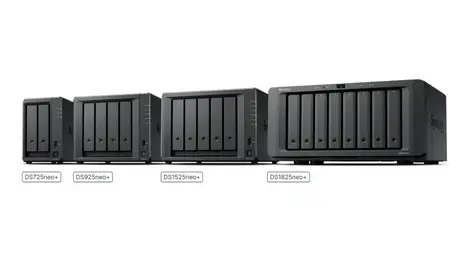
Lower entry prices for small businesses and home users come as the new models keep 2.5GbE, SSD caching and upgrade options.
Job cuts and AI investment are reshaping Atlassian's priorities, as its new Sydney tower approaches completion.
New Zealand's tech growth is being constrained by a deepening talent shortage, with firms struggling to fill AI, cyber and cloud roles.
Demand from large enterprises for AI control tools has helped LaunchDarkly pass USD $200 million in annual recurring revenue, up more than 25% year on year.
The combined group gains a broader base of golfers, clubs and charities as Australian tech firms seek overseas growth through tie-ups.
Non-Prime users will face an AUD $29.99 monthly fee once Amazon's upgraded voice assistant moves beyond Early Access in Australia.


















.webp)