

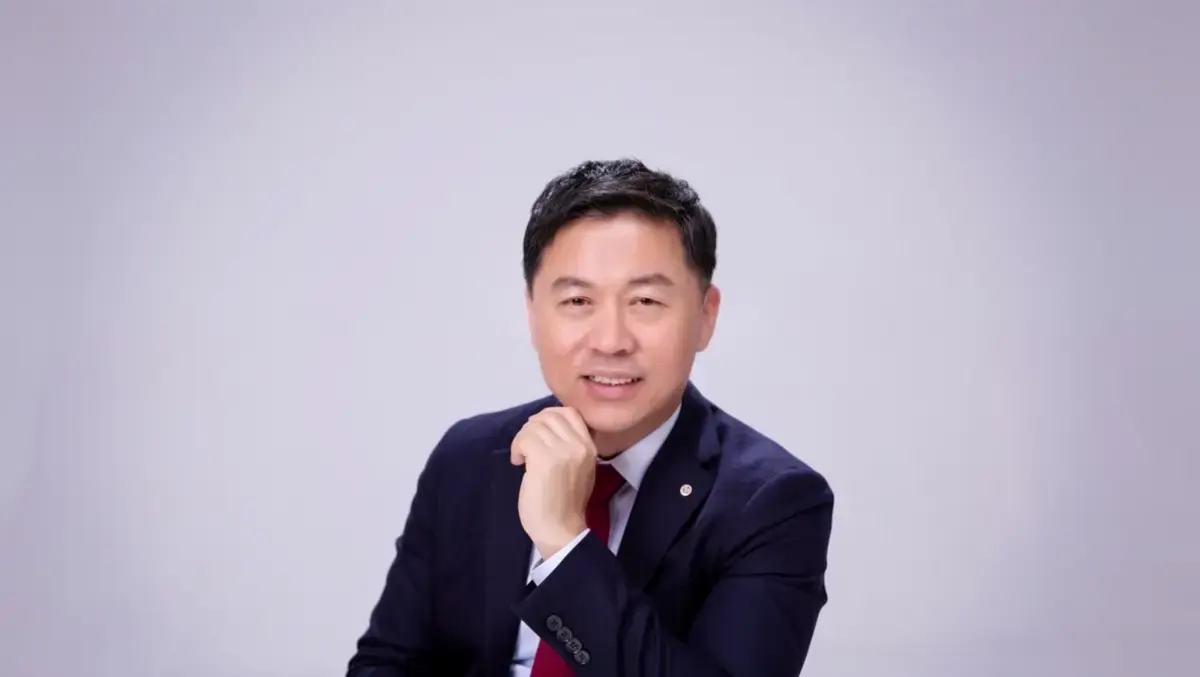
LG sets up robotics centre under CEO Lyu Jae-cheol
Wed, 1st Jul 2026
LG has established a Robotics Business Centre that will report directly to Chief Executive Officer Lyu Jae-cheol.
The new organisation combines business development, sales, operations, supply chain and manufacturing as LG reshapes its robotics activities under a single structure. The move brings robotics closer to the top of the management chain as the company looks to expand beyond its existing home, commercial and industrial robot efforts.
Song Si-yong, who previously held senior roles at LG's Production Engineering Research Institute, will lead the centre. LG said the earlier-than-usual organisational change reflects the priority it is placing on robotics within its broader Physical AI strategy.
New structure
LG is also launching a dedicated data factory organisation to secure operational data for robot training and support development of its Robot Foundation Model.
That effort will be backed by a large-scale data factory at LG's Yangjae research and development campus in Seoul, where operations are due to begin this year.
Robotics groups increasingly need large volumes of operational data to improve machine learning systems, especially for robots expected to work in changing physical environments such as homes, shops and factories. LG's decision to combine commercial functions with data collection and manufacturing suggests it wants tighter control over product development and deployment.
The governance changes also bring together resources from across the wider LG group under what it calls its One LG Solution strategy. That includes support from LG CNS and LG AI Research, helping create a more unified approach to robotics development and commercialisation.
Three markets
LG is pursuing a three-part strategy spanning industrial, commercial and residential robotics. The plan brings together existing assets across the group, including home robots, the industrial robotics business of Robostar and the commercial robotics operations of Bear Robotics.
This gives LG a broader base than many consumer electronics brands that have approached robotics mainly through domestic devices. It also points to an effort to build a portfolio spanning components, complete machines and software models.
One area LG highlighted is actuators, a key component in robotic systems. The company is preparing to produce actuators domestically, drawing on its long history in motor technology to support future supply.
That vertical approach may help reduce dependence on external suppliers in a market where specialist parts can be a bottleneck. It also reflects a wider trend in robotics, where companies are trying to secure core components and proprietary data as competition expands.
Partnership push
LG said the new structure is designed to support expanded strategic partnerships with global technology leaders. While it did not name potential partners, the company indicated that a more self-contained robotics unit should allow faster decision-making and clearer accountability.
For large industrial groups, robotics has often been spread across separate business lines, making it harder to align product, software and manufacturing decisions. By consolidating those roles into a single centre, LG appears to be trying to remove some of that fragmentation.
LG has designated this year as the inaugural year of its robotics business expansion. It intends to combine finished robot products, core components, data-generation systems and group-wide technical resources to support commercial use in real-world settings.
LG employs more than 75,000 people worldwide and reported revenue of more than KRW 89 trillion in 2025. Its business spans home appliances, consumer electronics, vehicle components and other technology products, giving it manufacturing scale and multiple possible routes into robotics markets.
The challenge will be turning those assets into products that can win customers in segments where competition is intensifying. Global technology groups, industrial automation specialists and start-ups are all targeting service robots, warehouse systems, delivery machines and household devices, while advances in AI are raising expectations for what robots can do.
LG said the new governance model is intended to improve strategy development, internal development of core technologies and cost competitiveness as it builds the business.