

.webp)
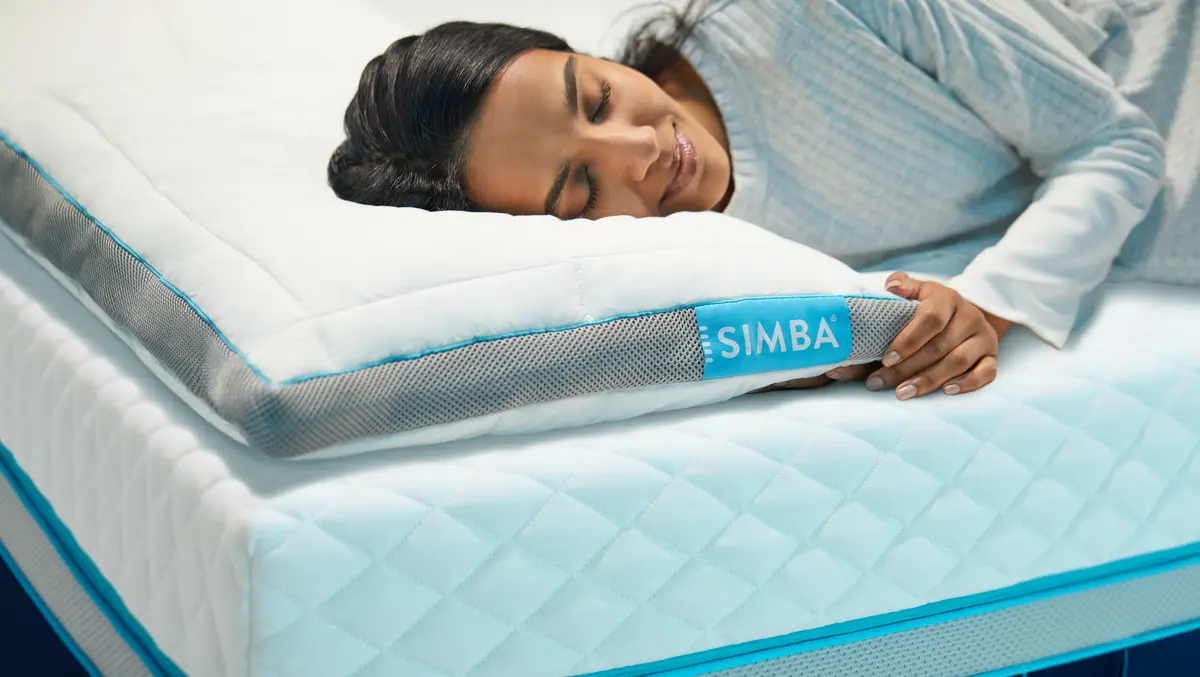
Simba Sleep has expanded its finance offering through a partnership with Snap Finance UK, a move that lifted second-line finance approvals and average order value.
In the first six months, 17% of customers declined by Simba's primary lender were approved through Snap. Simba said this was a tenfold increase on the acceptance rate achieved with its previous second-line lender. Average order value also rose by 50% after Snap's option went live at checkout.
Simba, which sells mattresses and other sleep products online, added Snap to its existing multi-lender arrangement to reach shoppers who do not secure approval from mainstream lenders. The finance option was integrated into its online checkout through a Shopify plugin in three weeks.
Customers declined by Simba's primary lender are directed to Snap's payment options through a digital application process. Simba has also made Snap's finance available earlier in the checkout journey, rather than limiting it to those turned down by a first lender.
The arrangement reflects a broader shift among retailers towards using more than one finance provider at the point of sale. Companies adopting that model are trying to capture demand from consumers who are willing to buy but may not meet the criteria of prime lenders.
Snap said more than 20 million financially underserved adults in the UK could benefit from wider access to retail credit, although it did not provide the source for that figure in the announcement. The lender positions itself as a complementary option for customers with limited credit history or non-standard income.
Retail finance
Point-of-sale finance has become a common feature of online retail, particularly for higher-ticket household purchases such as beds, sofas and appliances. For merchants, the appeal is reducing abandoned baskets and widening the pool of customers who can complete a purchase.
Simba said the rise in average order value suggests shoppers used the additional credit option to buy more than a single mattress, adding related items to their baskets. It linked the increase to greater customer confidence at checkout when more than one finance route is available.
Jon Moore, Marketing and eCommerce Director at Simba, described the early results as significant and said they supported the company's aim of keeping its products accessible to more consumers.
He said: "At Simba, we're continually exploring ways to maintain momentum as one of the UK's most recognisable sleep technology brands. Working with Snap and leveraging its innovative, unique approach to inclusive, responsible finance strengthens our multi-lender strategy and helps make our products as accessible as possible. The results we've achieved in a short space of time have been hugely impressive, especially from a three-week onboarding process. Since launching, we have converted more customers by giving them more options at checkout, or, for those declined for finance, a valued second chance. That is clear proof of the impact a robust POS lending ecosystem can have on consumer confidence and buying power. Our partnership with Snap Finance also reflects our B Corp status and socially conscious operations, as Snap's approach means we can offer financially underserved customers credit without an inaccessible APR price tag."
For Snap, the Simba partnership serves as a case study for retailers that want to add a second lender without replacing their primary finance provider. Its role is to sit alongside mainstream providers and capture applications that would otherwise fail at the first stage.
Approval data
The figures released by Simba focus on outcomes after a customer has failed to secure finance from the first lender. A 17% approval rate among first-line declines means nearly one in six of those rejected initially went on to secure finance through the second option.
That matters for retailers because these customers have already shown buying intent and reached the point of applying for credit. If they leave the site after an initial rejection, the sale is usually lost.
Andy Smith, Chief Executive Officer at Snap, said the results showed how a multi-lender setup could expand access to finance while increasing sales conversion.
He said: "Our partnership with Simba is a clear demonstration of the benefits of a robust, multi-lender strategy, where Snap's inclusive finance complements, rather than competes with, mainstream providers. Together, through inclusive, responsible lending, we've made sure that customers, such as those with limited credit history or non-standard income, are not left out when making high-value, needs-based purchases like mattresses. It has also highlighted how multi-lender strategies boost consumer confidence by closing the gap between intent and purchasing power. Our research tells us that 39% of customers are very or somewhat confident about which lender will approve them. By offering greater credit choice upfront and payment options better suited to them, retailers can convert bigger baskets from satisfied customers. Simba's experience is proof of this in action."
Snap said its affordability assessment draws on data from credit bureaux, open banking, Universal Credit and HMRC records as part of a digital income verification process. This allows it to assess applicants beyond conventional credit scores alone.
The partnership underlines how retailers are refining checkout finance options to reduce friction for customers outside prime lending criteria, while using additional credit routes to retain sales that might otherwise be lost after a first decline.